

Lipedema Surgery with Dr. John Larson
Newport Beach, CA
Find Relief. Restore Your Function and Appearance.
Welcome to Larson Aesthetics, where compassionate care meets surgical expertise. Board-Certified Plastic Surgeon Dr. John Larson specializes in lipedema surgery, offering relief and improved mobility for individuals affected by this often painful and progressive condition. Lipedema is a chronic lymphatic disorder marked by the abnormal accumulation and expansion of fat cells, typically in the legs, thighs, buttocks, and arms – leading to discomfort, swelling, and reduced physical function.
Board-certified plastic surgeon, Dr. John Larson, is nationally recognized as one of the leading experts in lipedema surgery. His dedication to patient-centered care and advanced surgical techniques has helped countless individuals reclaim comfort, confidence, and quality of life.
Are you ready to discover relief from lipedema? Schedule your private consultation with Dr. Larson to learn whether lipedema surgery can help you regain physical function and comfort. Contact our Newport Beach, CA offices at (949) 688-7733 or complete our online form today.
Quick Links

Our Results
Before & Afters



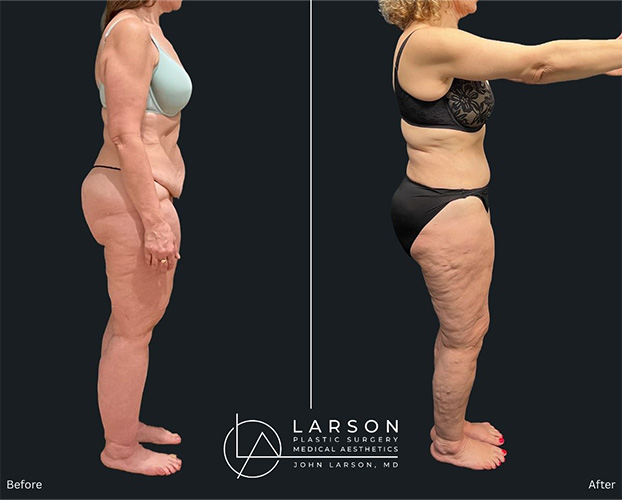
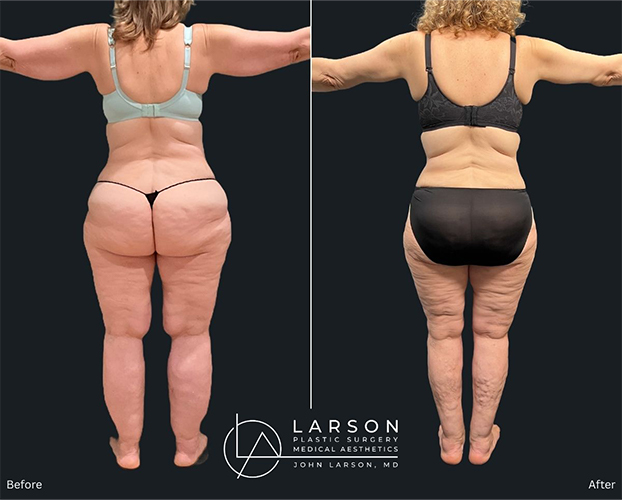
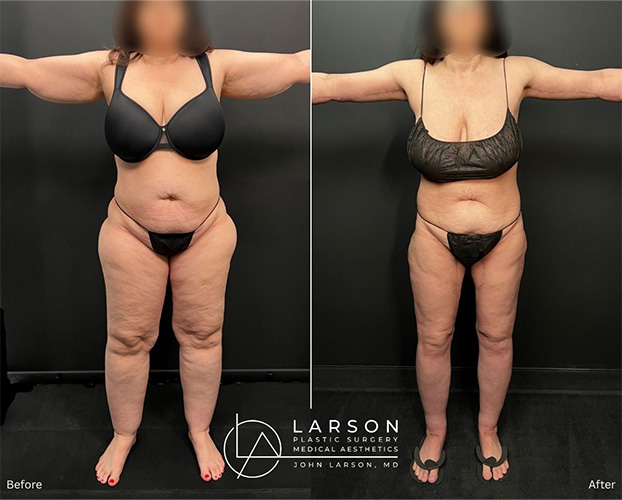
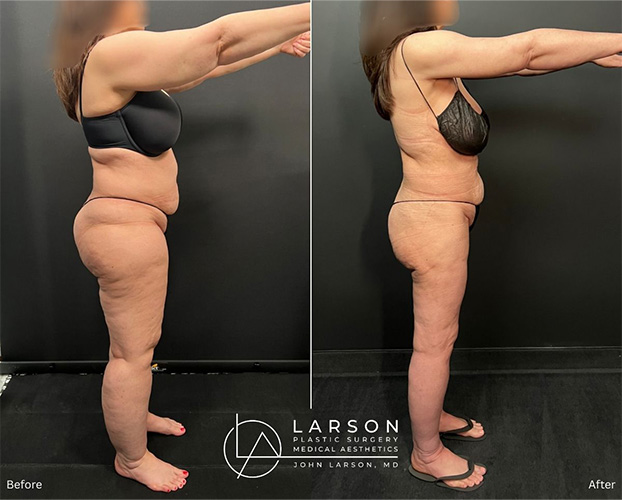
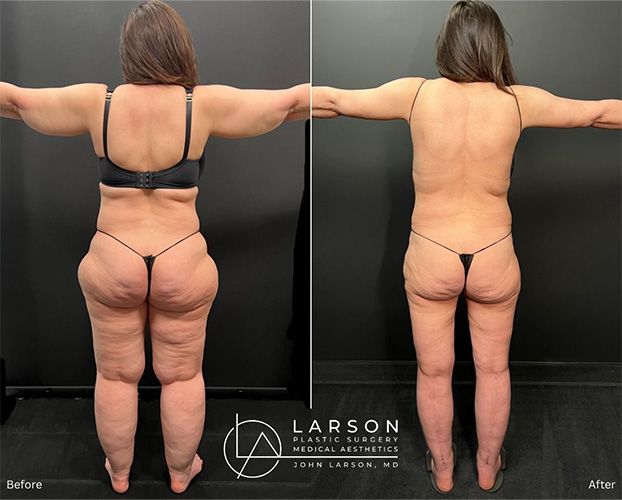

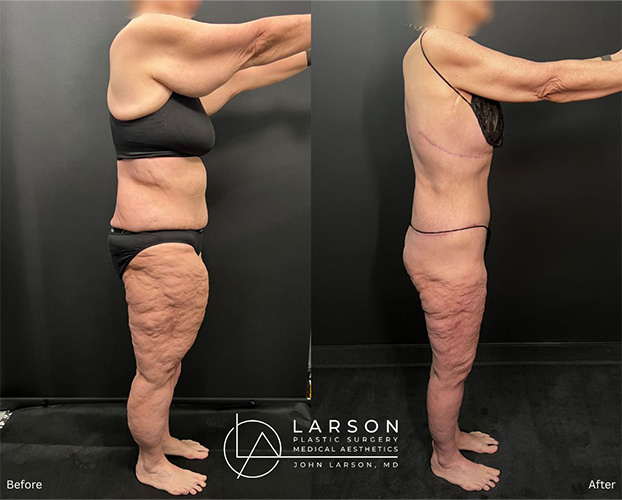
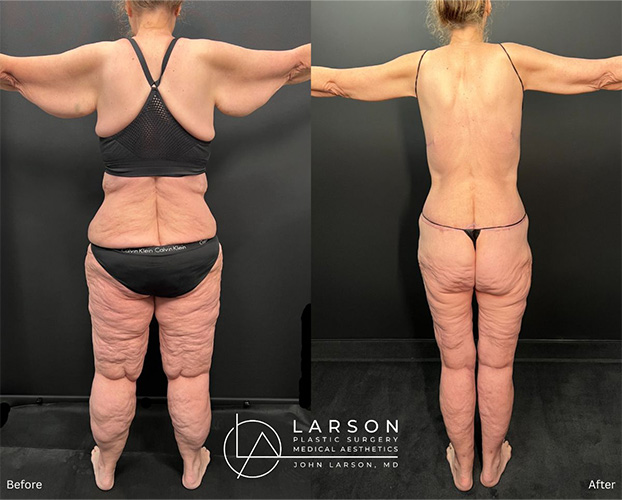
What Is Lipedema?
Lipedema is a complex and often misunderstood medical condition, commonly characterized by the abnormal accumulation of fat in the lower body. While lipedema primarily affects the legs, hips, and buttocks, it can also involve the arms, abdomen, and other areas. This chronic disorder – seen almost exclusively in women – is frequently underdiagnosed and can cause significant pain, swelling, and easy bruising, often impacting everyday activities.
Although the exact cause of lipedema remains unknown, it is believed that the associated pain may stem from inflammation and reduced oxygenation in the affected tissues. Currently, there is no cure for lipedema, but there is a range of treatments available to help manage symptoms, improve mobility, and prevent further progression.
The Causes of Lipedema
The exact cause of lipedema remains unclear, but research suggests strong genetic and hormonal components. Many individuals with lipedema have a family history of the condition. Hormonal fluctuations are a key factor in the onset and progression of lipedema. Symptoms often emerge or worsen during puberty, pregnancy, menopause, or after starting hormonal medications like birth control or hormone replacement therapy. These patterns suggest hormones may influence fat distribution, connective tissue integrity, and inflammation in affected areas.
While there is no cure for lipedema, understanding its underlying causes can help determine effective treatment strategies to manage symptoms and prevent further complications.
The Signs and Symptoms of Lipedema
- Enlargement of legs and arms, but usually not in the feet or hands
- Pain or tenderness in the affected areas
- Tendency to bruise easily or for no reason
- Heavy feeling in the legs
- Dimpled legs or arms
- Fat deposits with small, bumpy nodules that often feel like BBs within the fat
- Fatigue
- An imbalance of weight distribution, mostly in the buttocks or legs
- Large, column-like legs
- Loose skin
- No weight loss in affected areas despite diet and exercise
- Fat bulges around the knees or hips
- Varicose veins

The Four Stages of Lipedema

Lipedema is classified into stages based on severity, with symptoms such as pain, swelling, and fat accumulation worsening as the condition progresses. These stages help guide treatment planning and symptom management, but it’s important to note that staging alone does not determine the best course of care.
Stage 1: Early Lipedema
In the earliest stage, lipedema is typically characterized by smooth skin over areas of increased fat accumulation, most commonly around the pelvis, buttocks, and hips. Swelling may develop throughout the day – especially with prolonged standing or activity – but subsides with rest and elevation. At this stage, symptoms can range from mild discomfort to more noticeable pain and heaviness, but mobility is typically not significantly impaired.
Stage 2: Mid-Stage Lipedema
Stage 2 lipedema is marked by noticeable changes in skin texture and tissue consistency. The skin may develop indentations, and the underlying fat becomes firmer and more nodular compared to Stage 1. Fatty lumps, known as lipomas, may begin to form, and fat accumulation becomes more prominent in both the upper and lower legs. At this stage, swelling is more persistent and less responsive to rest and elevation, often causing increased discomfort. Symptoms can vary widely, ranging from moderate to severe.
Stage 3: Advanced Stage Lipedema
In this advanced stage of lipedema, connective tissues become significantly hardened, and swelling is persistent and no longer subsides with rest or elevation. Fat deposits can form large, overhanging lobes, particularly around the thighs and knees, leading to visible limb deformation and severely restricted mobility and impacting quality of life. This stage of lipedema is associated with a high rate of orthopedic complications, including joint misalignment, accelerated arthritis, and increased risk of failed knee or hip replacements.
In stage 3, lipedema symptoms can range from moderate to severe and often include intense pain, tenderness, easy bruising, and emotional distress due to the physical and social impact of the disease.
Stage 4: Lipolymphedema
Stage 4 lipedema, or lipolymphedema, represents the most advanced and complex phase of the progressive condition. At this stage, abnormal fat accumulation is compounded by significant lymphatic dysfunction, leading to persistent swelling that extends to areas previously unaffected, such as the feet and ankles. The skin may become hardened and rough, and large overhanging fat deposits can severely impair mobility and increase the risk of skin infections and other complications.
Treatment at this stage often requires a multidisciplinary approach, including advanced lymph-sparing liposuction techniques and additional procedures to address lymphatic impairment. Compression therapy, manual lymphatic drainage, physical therapy, and ongoing medical management are typically part of a comprehensive care plan.
Dr. Larson works closely with each patient to develop a personalized treatment strategy tailored to the severity of their condition and individual goals. Even in Stage 4, surgical intervention with Dr. Larson can lead to significant improvements in pain relief, mobility, and overall quality of life.
Inspiring Transformations


Compassionate Care.
Transformative Results.
Schedule A Consultation

Dr. Larson’s Unique Approach to Lipedema Treatment
As one of the top lipedema surgeons in the U.S., board-certified plastic surgeon Dr. Larson offers a safe, highly effective approach. By combining advanced liposuction techniques with skin removal, Dr. Larson delivers optimal, long-lasting results.
Each treatment plan is individually tailored to the patient’s stage of lipedema and personal goals. Using a multi-modal strategy that integrates liposuction and skin excision, Dr. Larson is often able to achieve in fewer surgeries what may take other surgeons multiple procedures. Most treatment plans are completed within 12 to 18 months.
Early-Stage Lipedema
Early-stage lipedema typically requires 1 to 2 operations, which can be performed either in our in-office procedure suite or at an accredited surgery center. For patients who prefer to avoid general anesthesia, Dr. Larson offers awake liposuction. Additionally, for those with minimal skin laxity, energy-based skin tightening treatments may reduce or eliminate the need for skin excision.
Advanced-Stage Lipedema
Advanced-stage lipedema often requires 3 to 4 operations, due to the increased volume of fat and excess skin that accumulates as the disease progresses. These procedures are performed under strict safety protocols to optimize outcomes and minimize complications. Larger operations, especially those involving more than 5 liters of liposuction, are conducted in a hospital setting. In these cases, Dr. Larson may perform up to 10 liters of liposuction in a single session, combined with skin excision to deliver comprehensive results.
Following hospital-based procedures, patients are monitored overnight and discharged the next day by Dr. Larson. This approach ensures a safe, efficient recovery and allows patients to progress through their lipedema treatment with confidence and comfort.
Dr. Larson typically schedules surgeries approximately 3 months apart to allow for proper healing and recovery between procedures. He alternates between treating the lower and upper body, ensuring a balanced and efficient approach to completing the treatment plan.
Below is an example of a staged treatment plan for a Stage 2 to 3 lipedema patient with fat accumulation in both the legs and arms:
Stage I:
Lower Body Liposuction
Stage 2:
Arm Liposuction with Arm Lift
Stage 3:
Additional Lower Body Liposuction with Leg Lift
By strategically sequencing treatments, Dr. Larson can help each patient achieve optimal results while minimizing downtime and maximizing safety. Each stage is customized to the patient’s unique anatomy and goals, ensuring a comprehensive and effective treatment journey.
The Benefits of Dr. Larson’s Approach
- Safe & Comfortable Environment: Procedures are performed in a hospital, certified outpatient surgery center, or our in-office procedure suite, ensuring the highest standards of safety and patient comfort.
- Efficient Treatment Plans: Even for patients experiencing advanced-stage lipedema, Dr. Larson can often complete comprehensive treatment plans within 12 to 18 months, minimizing the disruption to your daily life.
- Long-Lasting, Comprehensive Results: Lipedema affects both fat and skin. As such, it requires a treatment plant that addresses both. Providers who offer only liposuction often overlook the need for skin removal, which can deliver suboptimal outcomes and a greater chance for recurrence. Dr. Larson addresses both excess fat and skin, delivering results that are not only effective but also long-lasting.
- Patient-Centered Care: Our team is committed to providing personalized support throughout your entire treatment journey – from consultation to recovery – ensuring you feel informed, cared for, and confident every step of the way.

Why Choose Dr. John Larson for Newport Beach, CA Lipedema Surgery?
Treating lipedema requires specialized training and experience in advanced liposuction and skin excision techniques. When care is guided by a surgeon with focused expertise in lipedema, patients are more likely to achieve safe, effective, and long-lasting results. A comprehensive, experience-driven approach helps ensure that treatment is performed thoughtfully and completely, supporting better outcomes and long-term stability. Hospital operating privileges and access to accredited surgical facilities provide an added layer of safety, as patients will have immediate access to comprehensive medical resources if needed.
Board-certified plastic surgeon Dr. John Larson has extensive experience in lipedema care. He takes a comprehensive approach, treating both the diseased fat and the excess skin that often accompanies it. His ability to perform complex, large-volume surgeries, including high-volume liposuction combined with skin excision, allows him to condense treatment plans into just 3 to 4 operations, even for advanced cases.
When you choose Dr. Larson, you choose expertise, safety, and compassionate care, ensuring you receive the most advanced and effective treatment available for lipedema.
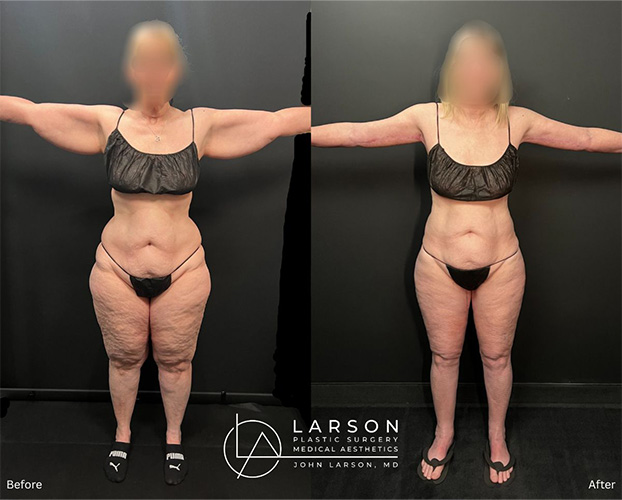
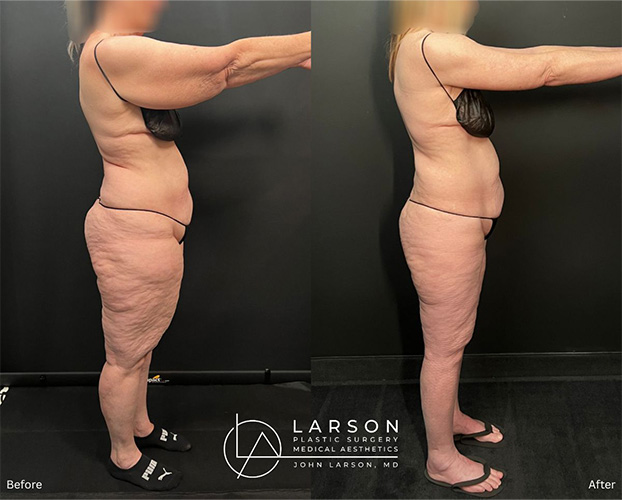
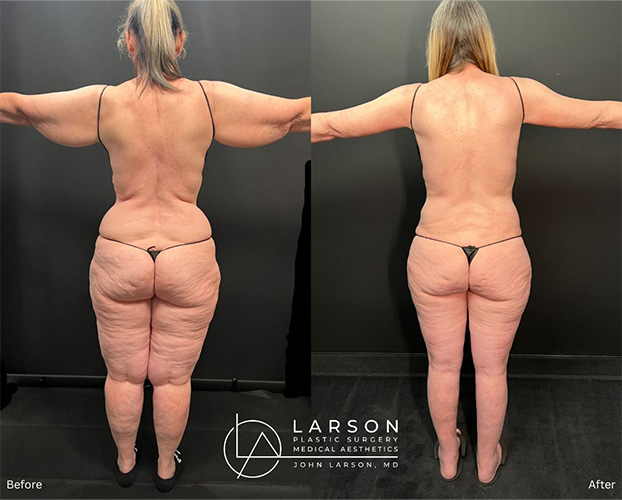
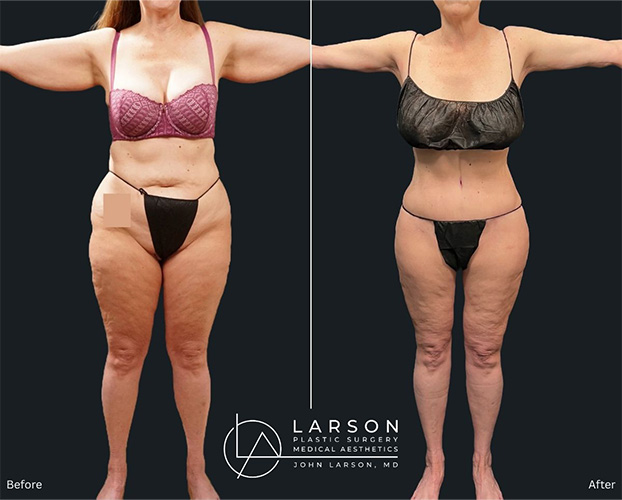
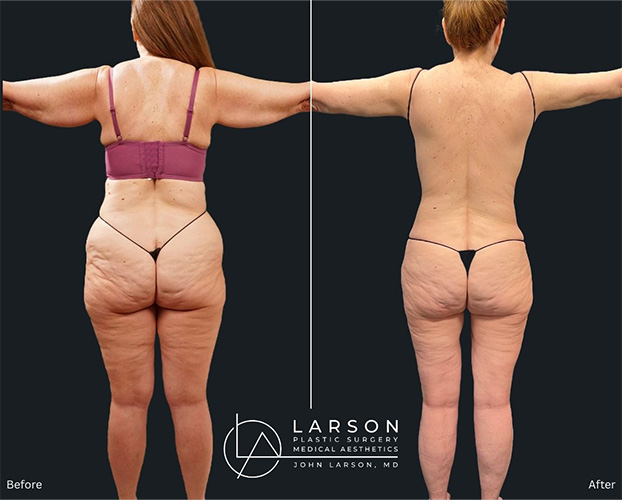
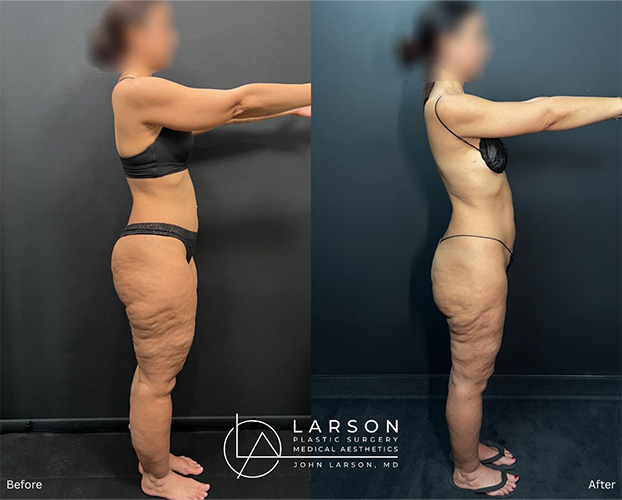
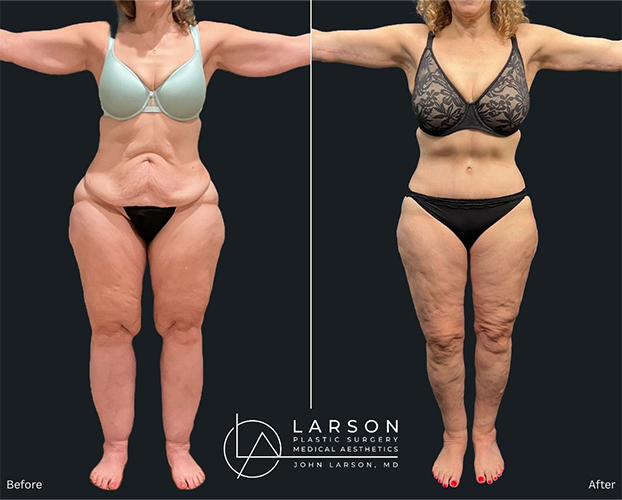
Newport Beach, CA Lipedema Before and After Results
View our gallery to see Dr. Larson’s results in real patients before & after photos. We encourage you to save your photos to show your individual results.
Lipedema Surgery Financing Options
At Larson Aesthetics, we understand that navigating insurance can be overwhelming. That’s why our team includes insurance specialists with over 40 years of combined experience in the industry. Our mission is to help every patient access the care they need, with coverage through their health insurance plan.
Lipedema is a recognized medical condition and should be treated as such. We work directly with your insurance provider to secure prior authorization, request out-of-network exceptions, and negotiate a single case agreement. This agreement outlines your full treatment plan in advance, helping to eliminate unexpected costs and ensuring that you won’t be responsible for any up-front surgical fees.
Although we are an out-of-network provider, we advocate on your behalf to be treated as in-network for your case, saving you from high out-of-pocket expenses. Our goal is to ensure your lipedema treatment journey is as smooth, accessible, and patient-friendly as possible.


Helping Our Out-of-Town Patients
At Larson Aesthetics, we proudly welcome patients from out of town and across the country. Our team is well-equipped to support your journey every step of the way. We offer assistance with travel arrangements and can connect you with trusted aftercare services to ensure continuity of care and a smooth recovery. Our team can also help you discover activities in the Newport Beach community.
To make your experience even more convenient, we provide telemedicine appointments for your initial consultation and follow-up visits, allowing you to stay connected with Dr. Larson and our team from the comfort of your home.
Let us know how we can support you throughout your lipedema treatment journey. We’re here to make the process as seamless, comfortable, and personalized as possible.
Ready To Take the Next Step? Contact Us Today.
While there are many benefits to lipedema surgery, the decision to know if it is right for you is not always an easy one. Dr. Larson and his staff are ready to answer any questions or provide further information so you can make the best decision toward improving your quality of life.
If you’re ready to take the next steps in your lipedema journey, we encourage you to book a consultation today.
Lipedema Surgery in Newport Beach, CA – Frequently Asked Questions
As a board-certified plastic surgeon specializing in lipedema treatment in Newport Beach, CA, I frequently address these questions from patients. Below, I’ve compiled detailed answers based on my clinical experience and the latest medical insights. Every case is unique, so I recommend scheduling a consultation for personalized advice.
How long will my treatment take?
The insurance process, including authorization, out-of-network exception, and single case agreement, typically takes several months. Once approved, your first surgery can be scheduled. Dr. Larson schedules procedures about 3 months apart to allow for proper healing.
- 2-Stage Treatment Plans: usually completed in 6–8 months
- 4-Stage Treatment Plans: may take 12 months or more
Most patients complete their full treatment within 24 months of their initial visit.
How many surgeries will I need?
Each case is unique, but most patients require 1 to 4 operations. Dr. Larson will develop a personalized plan based on your condition and goals, based on the progression of your lipedema:
- Early-Stage Lipedema: typically, 1 to 2 surgeries
- Advanced-Stage Lipedema: generally, 3 to 4 surgeries
What should I expect before surgery?
Your journey begins with a thorough consultation, during which Dr. Larson will assess your condition and create a customized treatment plan. Pre-operative steps may include:
- Blood work and imaging
- Medical clearance review
- Instructions regarding medications, compression garments, and dietary adjustments
Our team is here to support you and answer any questions to ensure you feel confident and prepared on your path to relief.
What happens during surgery?
Larger lipedema procedures are performed in an accredited surgery center or hospital for maximum safety.
- General anesthesia is typically used
- Power-Assisted Liposuction (PAL) gently removes fat while preserving healthy tissue
- Skin excision may be performed for optimal contour and function
Dr. Larson and his experienced surgical team prioritize precision, safety, and comfort throughout the procedure.
What should I expect after Newport Beach, CA lipedema surgery?
Recovery involves some swelling, bruising, and discomfort, which can be managed with medication and proper care. You’ll receive detailed post-op instructions covering:
- Pain management strategies
- Compression garment use
- Surgical site care
- Dietary recommendations
Follow-up visits with Dr. Larson are essential to monitor healing and ensure results. Physical therapy may be recommended to improve mobility and reduce swelling. Our team is here to answer your questions and address your concerns throughout your recovery.
How long is the recovery period?
Recovery varies by patient and procedure, but most people need 1 to 2 weeks for initial healing.
- After the first week, daily improvement is typical
- Swelling may persist for several months
- Once swelling subsides, you’ll be ready for the next stage of surgery
What should I do after surgery?
Post-operative best practices include:
- Rest and short walks
- Wearing compression garments
- Taking prescribed medications
- Staying hydrated
- Avoiding inflammatory foods (e.g., added sugars, refined grains, high sodium)
Optional therapies like hyperbaric oxygen and manual lymphatic drainage (MLD) may further support recovery.
Do you treat out-of-town patients?
Yes. Larson Aesthetics proudly welcomes patients from across the country. We frequently assist with travel planning, aftercare services, and even local recommendations so your stay in Newport Beach is comfortable and stress-free. To make the process even easier, we also offer telemedicine consultations and virtual follow-ups, so you can stay connected with Dr. Larson and our team without unnecessary travel. From your first call to your final results, we’re here to provide concierge-level support tailored to your needs.
If I’m an out-of-town patient, how long will I need to stay?
We make travel easy for out-of-town patients:
- Virtual pre-op appointment weeks before surgery
- Pre-op tests, including labs or imaging, can be completed through your primary physician
- In-person pre-op visit with Dr. Larson 1 to 2 days before surgery
- Post-op follow-up 1 week after surgery with Dr. Larson
- Most patients stay in town for about one week total.
Our team understands that traveling, especially for medical care and surgery, can be intimidating and sometimes scary. As such, we can help make suggestions for travel accommodations, aftercare services, or activities to do while you’re in the area.
What type of liposuction does Dr. Larson perform?
Dr. Larson uses Power-Assisted Liposuction (PAL), a gentle and efficient technique.
- Tumescent solution (sterile saline, epinephrine, and lidocaine) is injected to reduce bleeding and provide pain relief
- A vibrating cannula breaks up fat for gentler, easier removal
- This method results in less bruising, faster recovery, and enhanced outcomes compared to traditional liposuction
General | Diagnostic FAQs
What is lipedema?
Lipedema is a chronic condition causing painful, disproportionate fat buildup, primarily in the legs, thighs, and sometimes arms and abdomen, predominantly affecting women. It’s often mistaken for obesity but involves resistant, nodular fat that doesn’t respond to typical weight loss.
What causes lipedema?
The exact cause isn’t fully understood, but is linked to genetics, hormonal changes (e.g., puberty, pregnancy, hormone replacement therapy, birth control medication, menopause), and inflammation. Family history of lipedema is very common, suggesting a hereditary factor.
How can I tell if I have lipedema vs. just “regular fat” or obesity?
Lipedema fat is painful and doesn’t reduce with diet or exercise, often forming a “column-like” lower body with a cuff at the ankles. This cuffing can also occur at the wrists if the arms are affected. Nodules that feel like grains of rice or small BBs are also common within the lipedema fat. Regular fat or obesity is more uniform and responsive to lifestyle changes.
What are the signs and symptoms of lipedema?
Look for painful fat deposits, nodules that feel like small BBs or rice within the fat deposits most often in the upper inner thighs and upper arms, easy bruising, heaviness, orange-peel skin texture, and swelling that worsens daily, typically sparing the feet and hands.
Is lipedema hereditary?
Yes, it often runs in families, pointing to a genetic predisposition. Within a single family, I sometimes see a grandmother, mother, and daughter affected by lipedema.
What are the stages or types of lipedema?
Stages range from Stage 1 (smooth skin, small nodules) to Stage 3 (large fat lobules, skin folds), with a potential Stage 4 for severe cases.
Can lipedema develop later in life, or is it congenital?
It may be present from birth due to genetics but often becomes noticeable during hormonal shifts. This is most commonly at puberty, but can happen later, including pregnancy or menopause.
How is lipedema diagnosed?
Diagnosis is clinical, based on physical exam and history, focusing on characteristic fat distribution and associated symptoms, with imaging like ultrasound used to rule out other conditions.
Which medical specialists treat lipedema?
Specialists include plastic surgeons (like myself), endocrinologists, and lymphedema therapists, often requiring a team approach. We also work very closely with your primary care provider to ensure that your global health is also being cared for.
Are there imaging or lab tests specific to lipedema?
No specific test exists, but other tests and imaging can help differentiate it from lymphedema or venous issues. Labs may check hormones or inflammation markers, though they’re not diagnostic.
Can lipedema be cured?
There’s no cure for lipedema, but symptoms can be managed with non-surgical treatments. Patients that find their lipedema continuing to progress despite medical and non-surgical interventions may decide to seek surgery to improve quality of life and slow progression.
Management & Non-Surgical Treatment FAQs
What are the non-surgical treatment options?
Lipedema treatment options that don’t involve surgery may include compression garments, manual lymphatic drainage (MLD), exercise, diet, and pneumatic pumps to reduce swelling and pain.
Does diet or weight loss help with lipedema?
Diet (e.g., anti-inflammatory) and weight loss can reduce inflammation and support overall health, but won’t eliminate lipedema fat. Avoiding seed oils and other inflammatory foods can be very helpful in reducing your symptoms of lipedema and can also reduce general swelling within your body. As most patients with lipedema know, any weight loss that does occur is typically not in the lipedema areas. This is often a source of great frustration for lipedema patients.
What role does exercise and movement play in managing lipedema?
Low-impact activities like swimming or walking improve circulation and reduce swelling, aiding symptom management. Maintaining a healthy lifestyle is also very important for managing lipedema, as it promotes muscle mass and strength and will combat weight gain in non-lipedema areas that are responsive to activity.
Should I use compression garments, and what type is best?
Yes, custom flat-knit garments (20-30 mmHg) are ideal for daily wear to control swelling. We also use special post-surgical garments during recovery, eventually transitioning to a lighter garment that is easier to wear underneath your clothes.
Is manual lymphatic drainage (MLD) useful?
Yes, MLD stimulates lymph flow, reducing swelling and pain, especially when paired with compression. I strongly encourage my patients to get MLD therapy, both pre-and postoperatively. Our office also has referral sources, depending on your geographic location.
What other therapies (e.g., massage, physical therapy, pneumatic pumps) are recommended?
Deep tissue massage, physical therapy, and pneumatic pumps can help some patients, benefiting from anti-inflammatory supplements under medical guidance. Most often, these other therapies alone are ineffective at slowing progression or managing symptoms.
When should I start treatment, if I’m newly diagnosed?
Begin immediately with compression and lifestyle changes to slow progression and reduce painful symptoms.
Can lipedema progression be slowed or prevented?
Yes, consistent use of compression, exercise, and a healthy diet can delay advancement, though complete prevention isn’t guaranteed. Surgery can limit progression by removing the diseased lipedema fat.
What complications can arise if lipedema is left untreated?
Untreated, lipedema can lead to mobility issues, chronic pain, joint problems, and worsening disease progression. Many of my higher-stage patients have significant orthopedic issues. Many patients with lipedema suffer significant psychological impacts, including depression, anxiety, and social isolation.
Surgical | Procedural FAQs
What surgical options exist for lipedema (e.g., liposuction, water-assisted liposuction)?
Surgical options for lipedema include liposuction and skin excisions. Liposuction methods that I commonly use include traditional manual liposuction and power-assisted liposuction. It’s important to remember that lipedema is a mixed connective tissue disease with excess skin also commonly a problem for patients. To address both the diseased fat as well as the excess skin when both problems exist, lipedema surgical plans often involve liposuction to remove the lipedema fat, and skin excisions to remove the excess skin.
How many surgeries might I need?
Typically, 1 to 4 sessions, depending on the affected areas and severity. For early-stage cases, typically 1 to 2 operations are needed. For more advanced cases, generally 3 to 4 are needed.
How far apart should surgical treatments be spaced?
I space operations a minimum of 3 months apart. This 3-month rule is important to allow your body to recover from the previous operation.
What are the risks or complications of lipedema surgery?
Risks include infection, wound healing issues, contour abnormalities, or rare lymphatic damage, minimized with experienced techniques.
What does the recovery process look like post-surgery?
Individual recovery time will vary from patient to patient. Depending on the operation performed, it generally takes 1 to 2 weeks to recover. After the first week, patients typically feel progressively better each day. Expect 1 to 2 weeks of rest, with light activities resuming in 2 to 4 weeks and exercise in 6 weeks. After the initial recovery period, you will continue to have swelling that will subside over the course of several months. At that point, you will be ready for your next stage of surgery.
Will I need compression or lymphatic therapy after surgery?
Yes, compression garments are mandatory after surgery, and MLD therapy is highly encouraged.
How long until I see results from surgery?
Initial relief may occur within weeks, with full results in 3 to 6 months as swelling subsides.
Can surgery eliminate pain, heaviness, or swelling permanently?
It can provide long-term relief by removing diseased fat, but maintenance with compression and lifestyle is needed to prevent recurrence.
Can lipedema surgery be combined with other cosmetic or reconstructive procedures?
Yes, it can be combined with procedures like skin excision or arm lifts for comprehensive results, if safe for the patient.
Does insurance typically cover lipedema surgery in Newport Beach, CA?
Top 10 Most Asked Lipedema FAQs
What is lipedema, and how is it different from regular fat or obesity?
Lipedema is a chronic and painful fat disorder causing disproportionate accumulation in the lower body, unlike regular fat, which is even and responsive to diet. It’s often mistaken for obesity but involves resistant, nodular fat that doesn’t respond to typical weight loss or dietary changes. These nodules feel like grains of rice or small BBs.
Regular fat or obesity is more uniform and responsive to lifestyle changes.
What causes lipedema?
While the exact cause of lipedema isn’t fully understood, it is linked to genetics, inflammation, and hormonal changes like puberty, pregnancy, hormone replacement therapy, birth control medication, or menopause. Family history of lipedema is very common.
What are the stages or types of lipedema?
Stages range from Stage 1 (smooth skin, small nodules) to Stage 3 (large fat lobules, skin folds), with a potential Stage 4 for severe cases.
How is lipedema diagnosed?
Start with your primary care provider to rule out other concerns. From there, your provider may refer you to a specialist such as an endocrinologist or lymphedema therapist. Diagnosis is clinical and based on physical exam and history, focusing on characteristic fat distribution and associated symptoms. A specialist typically uses imaging, such as ultrasound, to rule out other conditions.
Can lipedema be cured or reversed?
While there is no cure for lipedema, symptoms can often be managed with non-surgical treatments. Patients that find their lipedema continuing to progress despite medical and non-surgical interventions may decide to seek surgery with a highly qualified plastic surgeon who specializes in lipedema treatment to improve their quality of life and slow progression.
What are the best treatments for lipedema?
A combination of non-surgical (compression, MLD, diet, exercise) and surgical (lymph-sparing liposuction) options, tailored to the stage.
Does diet or weight loss help with lipedema?
An anti-inflammatory diet and weight loss can reduce inflammation and support overall health, but those won’t eliminate lipedema fat. Avoiding inflammatory foods can be helpful in reducing lipedema symptoms and general swelling. Weight loss typically doesn’t occur in areas affected by lipedema, much to the frustration of lipedema patients.
What is lipedema surgery, and how does it work?
Lipedema surgery involves specialized liposuction (manual or power-assisted) to remove diseased fat while protecting lymphatics, reducing pain and improving shape. As lipedema presents uniquely for each patient, surgical plans often involve both liposuction and skin excision to remove the diseased fat and skin excisions to remove excess skin.
Is lipedema surgery covered by insurance?
Coverage varies by insurer and plan. Some may cover it as reconstructive if medical necessity is documented, but many plans do not. I work with patients to navigate pre-authorizations.
How can I find a qualified lipedema specialist?
If you suspect you have lipedema, it’s important to start with your primary care provider to rule out any other possibilities. From there, your provider may refer you to a lipedema specialist, such as a highly qualified endocrinologist, lymphedema therapist, or plastic surgeon.